Introduction
In today's health-conscious environment, understanding one's physiological and behavioral data is essential for informed decision-making. Tracking health metrics allows individuals to gain objective insights into their well-being, supporting evidence-based adjustments to habits and lifestyle.
Context / Problem
Many people rely on subjective feelings or external advice to assess their health, which can lead to inconsistent or ineffective health management. Without measurable data, it becomes challenging to identify patterns, gauge progress, or pinpoint underlying issues.
What Can Be Measured or Tracked
Key health metrics that lend themselves to systematic tracking include:
- Sleep quality: duration, efficiency, and stages
- Heart rate variability (HRV): a marker of autonomic nervous system balance
- Physical activity: steps, intensity, and type
- Nutrition intake: calories, macronutrients, hydration
- Body composition: weight, fat percentage, muscle mass
- Stress levels: measured via physiological signals or self-report
- Blood markers: glucose, cholesterol, and other routine lab values
Quantified Self Perspective
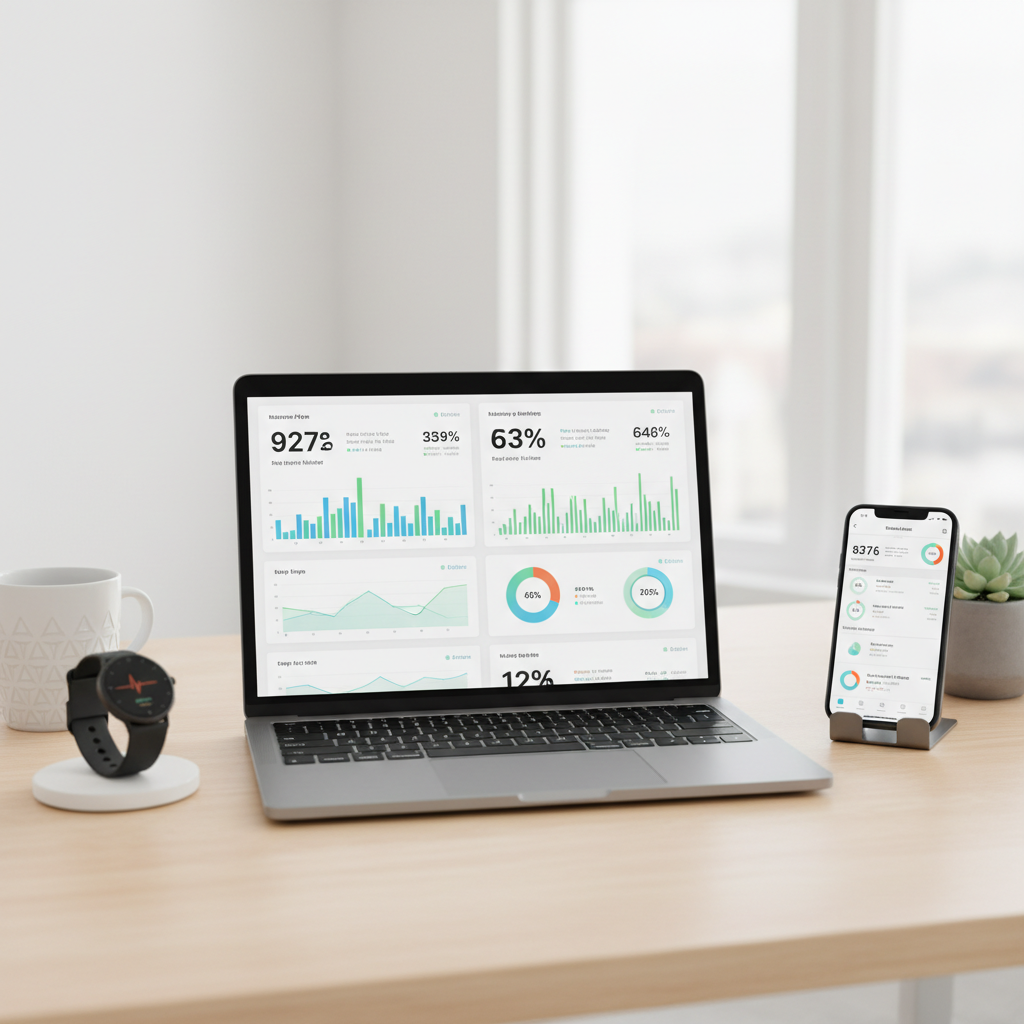
Adopting a quantified self methodology means leveraging technology such as wearables, apps, and digital logs to collect these metrics continuously and objectively. This data-driven approach enables:
- Personalized insights based on longitudinal trends
- Identification of correlations between lifestyle factors and health outcomes
- Evidence-based adjustments to optimize physical and mental health
- Enhanced motivation through visible progress and feedback loops
Conclusion
Tracking health metrics systematically through a quantified self framework provides a practical foundation for understanding and optimizing personal well-being. Starting small with key indicators and gradually expanding data collection can lead to meaningful improvements supported by objective evidence.