Introduction
In an era where personal optimization and self-awareness are increasingly valued, Quantified Self tracking offers a structured way to understand behaviors and outcomes through measurable data. Adopting a data-driven approach is crucial to extracting meaningful insights from self-tracking efforts.
Context / Problem
Many individuals engage in self-tracking without a clear framework, often collecting data that is either inconsistent or lacks actionable value. This leads to information overload and diminished motivation, as the raw data does not translate effectively into personal improvement.
What can be measured or tracked
Quantified Self tracking can encompass a range of metrics, including but not limited to:
- Physiological data: heart rate variability, sleep stages, step count
- Behavioral data: productivity intervals, digital usage, mood logs
- Environmental factors: ambient light, temperature, noise levels
- Nutritional intake: calorie count, macronutrient balance
Each data point, when collected systematically, forms a foundation for identifying patterns and correlations.
Quantified Self perspective
A data-driven approach to Quantified Self emphasizes:
- Consistency in data collection to ensure reliability
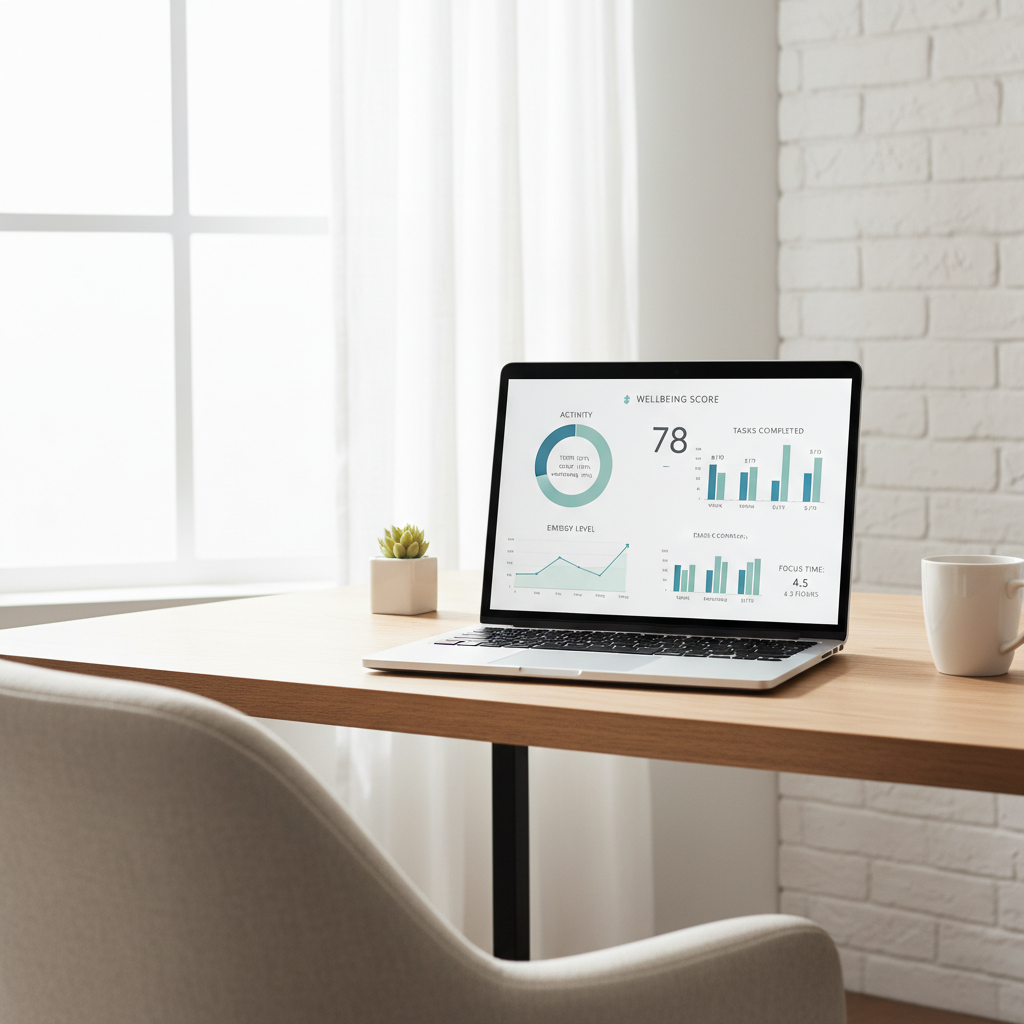
- Use of dashboards and visualization tools to monitor trends
- Focus on relevant metrics aligned with personal goals
- Regular analysis to adapt behaviors based on evidence rather than intuition
This perspective transforms self-tracking from a passive activity into an active decision-making process, promoting better health, productivity, and self-understanding.
Conclusion
Embracing a structured, data-driven methodology in Quantified Self tracking allows individuals to move beyond mere data accumulation. By focusing on meaningful metrics and actionable insights, self-trackers can optimize their behaviors with clarity and confidence. The next step involves selecting appropriate tools and establishing consistent routines to maintain data quality over time.