Introduction
In today’s competitive work environment, understanding and improving productivity is a crucial objective for both individuals and organizations. Tracking productivity metrics provides a systematic way to analyze work patterns, identify bottlenecks, and optimize performance.
Context / Problem
Many workplaces struggle with vague assessments of productivity that rely heavily on subjective observations or infrequent reviews. This often leads to inefficiencies and missed opportunities for improvement. Without clear, measurable data, it becomes difficult to pinpoint the causes of productivity issues or to verify the impact of interventions.
What Can Be Measured or Tracked
Key productivity metrics that can be tracked include:
- Task Completion Rates: Number of tasks completed within a set timeframe.
- Time Spent on Tasks: Duration dedicated to specific activities, allowing recognition of time sinks.
- Focus and Distraction Levels: Frequency and duration of interruptions or multitasking episodes.
- Output Quality: Measurable quality indicators such as error rates or customer satisfaction scores.
- Utilization Rates: Percentage of available working hours actively engaged in productive work.
- Break Patterns: Timing and frequency of breaks, which impact overall efficiency.
Quantified Self Perspective
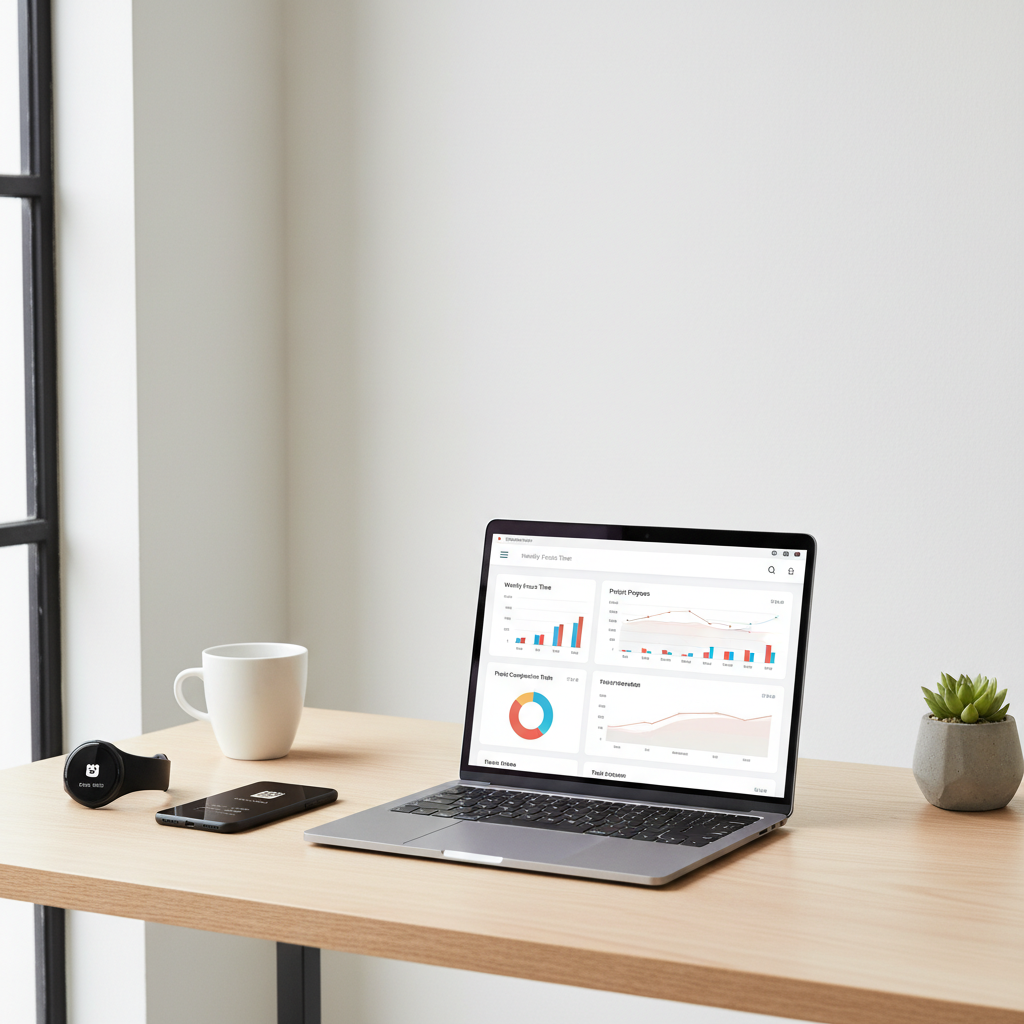
Applying a Quantified Self approach to workplace productivity involves systematic self-tracking and data analysis. Individuals and teams can use digital tools such as time-tracking apps, project management software, and analytics dashboards to collect and visualize productivity data. This data-driven mindset fosters informed decision-making, enabling targeted adjustments to workflows and habits.
Additionally, consistent tracking empowers employees to understand their personal productivity rhythms and optimize their work according to peak performance periods. Transparency in data also supports management in creating supportive environments rather than relying on anecdotal evidence.
Conclusion
Tracking productivity metrics transforms subjective impressions into objective data, providing actionable insights for continuous improvement. Embracing a data-driven, Quantified Self methodology helps identify inefficiencies, enhances focus, and ultimately leads to optimized workplace performance. The next step is to select appropriate tools and begin systematic tracking tailored to your specific work context.