Introduction
In today’s data-driven world, understanding personal health through measurable metrics is essential for effective self-optimization. Tracking health parameters provides actionable insights that enable individuals to make informed decisions about their well-being.
Context / Problem
Many people face challenges in managing their health due to fragmented or anecdotal information. Traditional health assessments often lack continuous data, making it difficult to identify trends or causative factors behind health fluctuations.
What can be measured or tracked
Key health metrics to consider include:
- Heart Rate Variability (HRV): Indicator of autonomic nervous system balance and stress levels.
- Sleep Quality and Duration: Measured by total sleep time, sleep stages, and interruptions.
- Physical Activity: Steps, exercise intensity, and duration.
- Nutrition Intake: Macronutrient and micronutrient tracking.
- Body Composition: Weight, fat percentage, and muscle mass.
- Blood Biomarkers: Glucose, cholesterol, and blood pressure levels.
These metrics can be collected via wearable devices, mobile apps, and periodic lab tests.
Quantified Self perspective
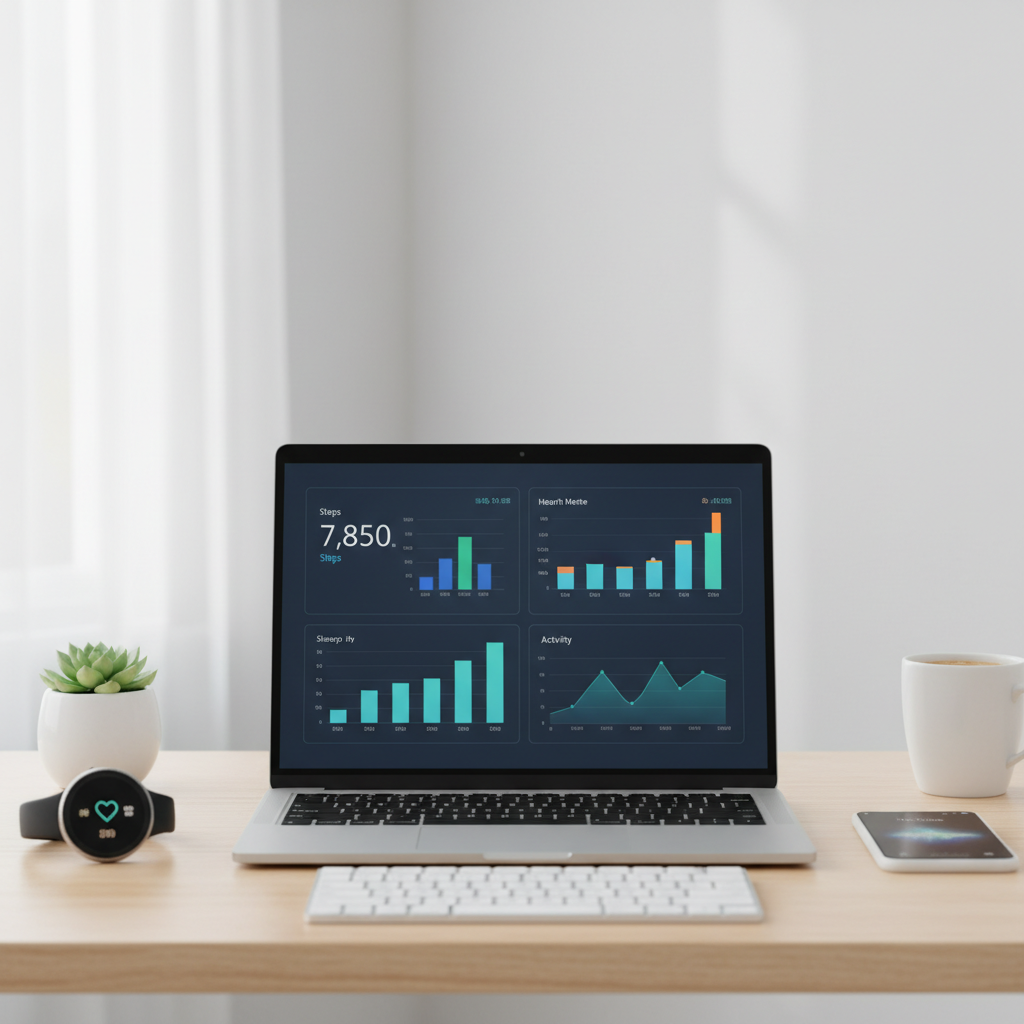
From a Quantified Self standpoint, consistent tracking enables individuals to correlate lifestyle choices with physiological responses. Data aggregation and visualization through dashboards facilitate pattern recognition and hypothesis testing. This objective approach reduces reliance on subjective feelings and supports iterative behavioral adjustments.
For example, monitoring HRV trends in relation to sleep patterns can highlight recovery status, guiding rest or activity decisions. Similarly, nutritional logs paired with blood markers can refine diet plans for optimal metabolic health.
Conclusion
Incorporating health metric tracking into daily routines offers a systematic method to understand and optimize personal wellness. By leveraging precise data and analytical tools, individuals can transition from reactive health management to proactive and preventive strategies. The next step involves selecting reliable measurement tools and establishing consistent tracking habits to build a comprehensive health profile.